
In the world of wine, terms such as “spontaneously fermented”, “artisan” and “natural-style” are appearing more and more often on labels and during tastings. They are not simply attractive marketing phrases: they describe approaches built around deliberate choices and a strong respect for the vineyard and the natural environment. But what do these expressions mean in practice, and how does such a wine differ from a mass-market bottle on a supermarket shelf?
Cultured yeast and spontaneous fermentation: What is the difference?
Fermentation is the essential biochemical process in winemaking in which yeasts convert the sugars in grape juice into alcohol and carbon dioxide. Many modern wineries use selected cultured yeasts produced under controlled laboratory conditions. Added to the must in a prepared form, these yeasts make fermentation more predictable and easier to manage. The resulting style can also be more consistent from vintage to vintage.
With spontaneous fermentation, the winemaker does not inoculate the must with a selected external yeast culture. Fermentation begins with yeasts naturally present on the grapes and in the winery environment, and the process develops through this indigenous microbial population.
Why choose spontaneous fermentation?
Spontaneous fermentation can be slower and less predictable and therefore requires close attention from the winemaker. Why take the additional risk? One reason is the desire to allow the site and the character of the raw material to express themselves as directly as possible. Indigenous yeast populations form part of the local vineyard and cellar environment, and spontaneous fermentation can contribute to wines with complex, individual aromas, flavours and textures.
What does natural-style winemaking mean?
Natural-style or low-intervention winemaking is a broad philosophy that begins in the vineyard and continues in the cellar. Its central idea is to work with as little unnecessary intervention as possible.
- In the vineyard: Growers following this approach may avoid systemic synthetic chemicals, herbicides and artificial fertilisers, using practices such as composting, sulphur- and copper-based plant protection where appropriate, and cover crops between the vine rows to support soil life.
- In the cellar: The use of additives is kept to a minimum. Winemakers may avoid unnecessary enzymes and aggressive fining agents and aim to use sulphur dioxide carefully and at the lowest level compatible with the desired stability of the wine.
Artisan wine at Lake Balaton
On the northern shore of Lake Balaton, artisan winemaking – including the approach associated with Szörényi Winery in Felsőörs – places emphasis on controlled yields, careful hand harvesting and respect for natural processes. Tasting a spontaneously fermented, low-intervention wine can therefore be more than simply drinking a beverage: it is also a way of discovering how a particular landscape, vintage and winemaking philosophy can appear in the glass.
Taste the stories in the glass as well
Behind the articles stands the same Felsőörs terroir, family work and Balaton character. Discover the wines of Szörényi Winery or request a personal offer for a tasting, programme or event.
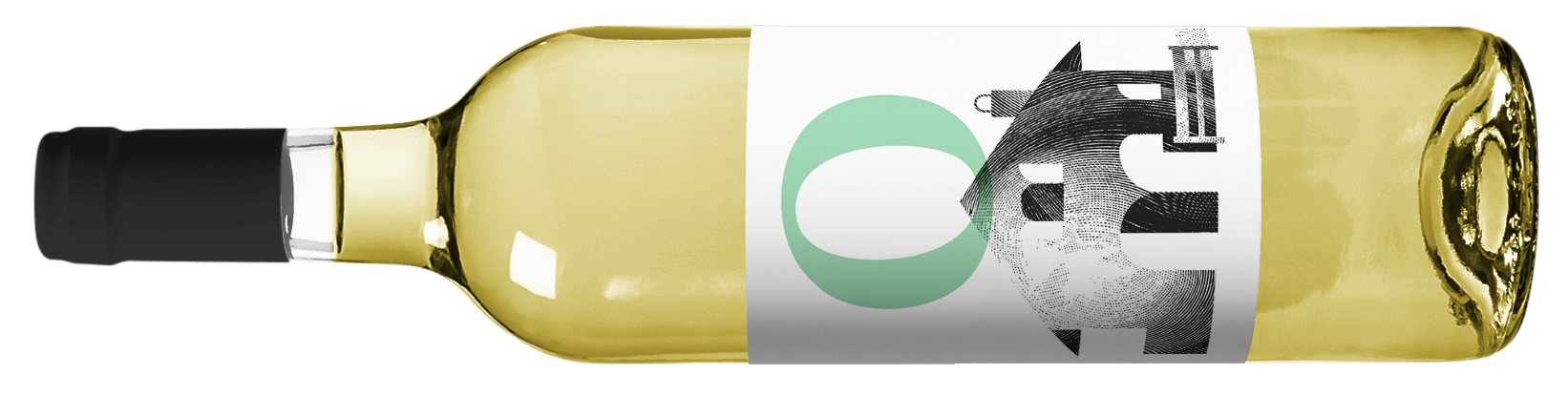
Olaszrizling
A classic of the region with a clear Balaton character.
Details →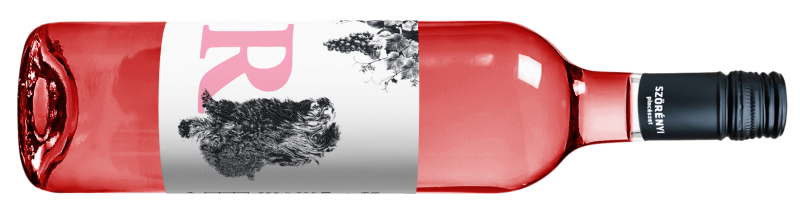
Rosé
Fresh, fruity and generous Balaton rosé.
Details →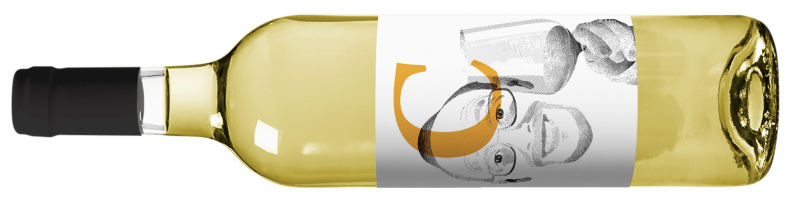
Cimbora Cuvée
A playful name with a serious, individual style.
Details →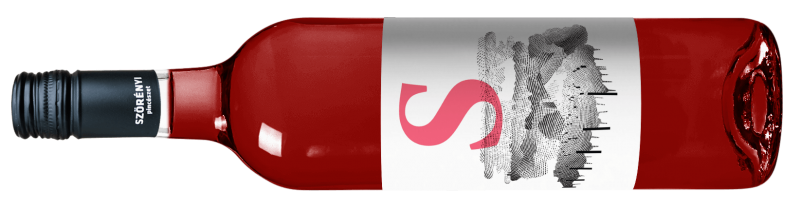
Siller
A characterful style between rosé and red wine.
Details →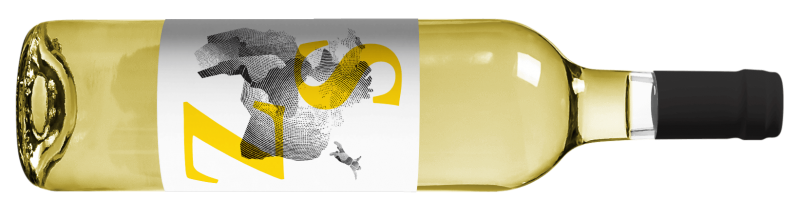
Szürkebarát
Rich, harmonious and approachable Balaton white wine.
Details →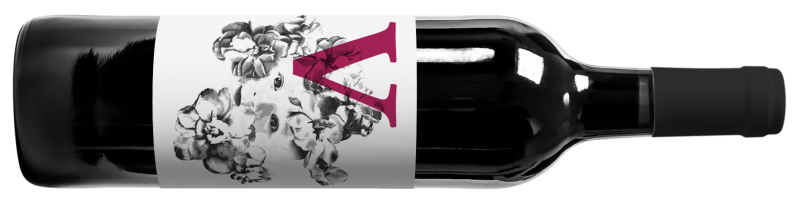
Viola Cuvée
A deeper-toned red cuvée with a longer finish.
Details →