
When we plan a visit to a winery at Lake Balaton, many of us picture the same idyllic scene: sunset, a gentle breeze, the reflected light of the lake and a cool glass of wine in our hands. But what turns an ordinary drink into a winery experience you remember for years? Why is it worth leaving the busiest tourist routes and seeking out the terrace of a quieter Lake Balaton winery?
Winemaking on the northern shore of Lake Balaton means far more than simply processing grapes. It is a culture built on centuries of tradition in which geology, weather, the work of the grower and the philosophy of the winemaker all meet in a single bottle. This guide does not rank neighbouring wineries. Instead, it helps you understand what to look for, what to ask and how to choose the kind of estate that will give you the most rewarding experience.
Family estate or large winery: Which Lake Balaton winery suits you?
The first important question when planning a wine tour is the size and style of winery you want to visit. Both large estates and small family wineries have their strengths, but the experience can be very different.
Large, professionally organised wineries
These estates often welcome visitors with impressive architecture, modern tasting rooms and professionally trained, multilingual staff.
- Advantages: Predictable opening hours, a broad range of wines and the ability to accommodate large groups or coach tours throughout much of the year.
- Possible drawback: The experience can feel less personal. You may rarely meet the winemaker, and a tightly structured tasting can sometimes leave less room for spontaneous conversation.
Small family wineries: The appeal of hands-on winemaking
A family winery near Lake Balaton, like the smaller estates hidden among the vineyards around Felsőörs, offers a very different dimension. Here, the winery is not simply a business; it is part of the family’s everyday life.
- Personal connection: Tastings are often led by the winemaker, grower or a family member. Instead of a standard script, you hear real stories about hail, harvest timing or why a particular Riesling ended up in a particular barrel.
- Flexibility and intimacy: There is less crowding. You can sit quietly close to the vines, and if one wine sparks a deeper conversation, an older vintage or barrel sample may sometimes appear for comparison.
- Focus on quality: Smaller estates are not producing tens of thousands of bottles for supermarket shelves, so careful crop management and quality-focused processing can be central to their identity.
The secret of terroir: What is a vineyard site and why does it matter?
At a quality Lake Balaton winery, you will almost certainly hear the words terroir and vineyard site. But what do these ideas actually mean for the wine in your glass?
A vineyard site is a clearly defined part of a wine-growing area with its own characteristics. Terroir is the broader system that includes soil structure, microclimate, slope, exposure to sunlight and the human decisions that shape the vineyard and wine.
Why are the soils of the Balaton Uplands so distinctive?
Geologically, the northern shore is remarkably diverse. Basalt dominates around Badacsony, while red sandstone, marl, dolomite and limestone are important around Csopak, Balatonalmádi and Felsőörs. When you taste a single-vineyard wine – made from grapes harvested from one specific site – you can often recognise the influence of that location in the structure and character of the wine. Around the red-sandstone areas, local wines are frequently described as elegant, structured and mineral in character, qualities that suit varieties such as Olaszrizling particularly well.
Technology in the cellar: Tradition and modern winemaking
To someone new to wine, winemaking may seem as simple as pressing grapes and waiting. In reality, winemakers around Lake Balaton make a long series of technical decisions that fundamentally shape what ends up in the bottle. Asking about these choices can make a winery visit much more interesting.
Reductive winemaking: Preserving freshness
The must is fermented in closed, temperature-controlled stainless-steel tanks with oxygen exposure kept to a minimum. This approach helps preserve the primary fruit aromas and flavours of the grapes. It is widely used for crisp, fresh wines suited to summer drinking, including light rosés, aromatic Irsai Olivér and fresh styles of Olaszrizling.
Oxidative development and barrel ageing
When wine is fermented or matured in wooden barrels, usually oak, very small amounts of oxygen pass through the wood. This gradual oxygen exposure can soften the wine, build texture and contribute toasted, vanilla or spicy notes depending on the barrel. Premium wineries around Lake Balaton may use barrels for more structured white wines and for reds.
Spontaneous fermentation and cultured yeast
Natural-style and artisan wineries often experiment with spontaneous fermentation. Instead of inoculating the must with selected cultured yeast, they allow fermentation to begin with yeasts naturally present on the grapes and in the cellar environment. The process can be less predictable, but some winemakers choose it because they believe it can help produce a more individual wine that reflects its place of origin.
Local grape varieties: What might you find in your glass at Lake Balaton?
On the northern shore, it is worth looking for varieties that have a strong local tradition or are closely associated with the surrounding wine regions.
- Olaszrizling: One of the defining grapes of the northern shore. It can make light, green-apple-and-citrus wines for spritzers, but with lower yields and careful barrel ageing it can also produce complex, age-worthy whites with a characteristic almond-like finish.
- Szürkebarát (Pinot Gris): A historic variety in Badacsony and the wider Balaton region. Depending on site and winemaking, it can give rich, full-bodied wines with considerable intensity.
- Rajnai Rizling (Rhine Riesling): Known for firm acidity, peach and citrus aromas and, with maturity, the distinctive petrol-like notes prized by many Riesling lovers.
- Kékfrankos: Although Lake Balaton is strongly associated with white wine, excellent Kékfrankos is also produced on the northern shore. The best examples can be fruity, spicy and elegant, with vibrant sour-cherry character rather than heavy tannins.
How should you taste? What should a guest notice on a winery terrace?
A memorable winery visit depends not only on the host but also on a curious and open guest. When you visit a quality winery at Lake Balaton, a few details can tell you a lot about the care behind the experience.
- The glassware: Good wine deserves an appropriate wine glass. Thin, well-shaped glassware helps aromas show more clearly than a thick, generic drinking glass.
- Serving temperature: White wines and rosés are usually best served cool rather than ice-cold. Over-chilling can suppress aromas and flavours.
- The story: Notice whether the person serving the wine can explain the vineyard, vintage and winemaking behind it. A meaningful tasting should offer more than simply naming the wine.
- Food and wine together: A serious winery experience can be elevated by good local food. Mature artisanal cheese, quality cured meats and fresh sourdough bread can transform the way a wine tastes. Try the wine on its own and then again after a bite of food to notice the difference.
Conclusion: Finding the right winery on the northern shore of Lake Balaton
A truly memorable visit to a Lake Balaton winery is much more than an evening drink. It is a journey into the vineyards, cellar decisions and local grape varieties that shape the region.
Next time you are at Lake Balaton, consider leaving the main road and seeking out quieter, more intimate family estates, including those among the red-sandstone hills around Felsőörs. Ask questions, taste with curiosity and let the story of the Balaton terroir explain through the glass why this is one of Hungary’s most fascinating wine regions.
Taste the stories in the glass as well
Behind the articles stands the same Felsőörs terroir, family work and Balaton character. Discover the wines of Szörényi Winery or request a personal offer for a tasting, programme or event.
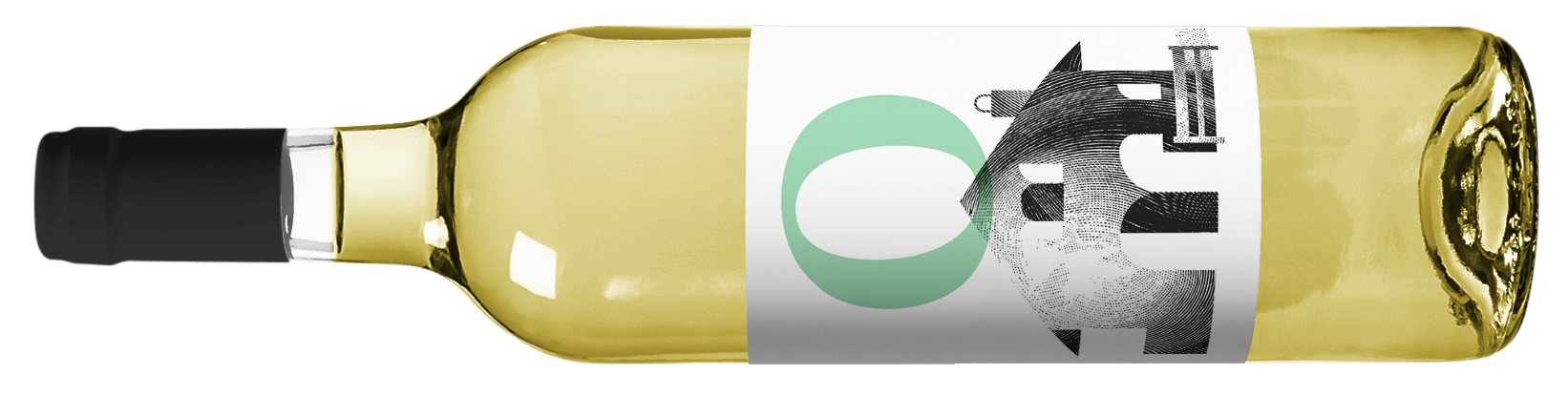
Olaszrizling
A classic of the region with a clear Balaton character.
Details →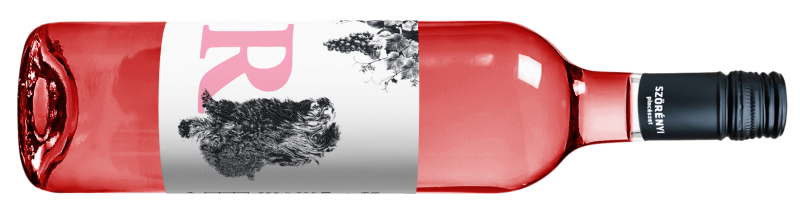
Rosé
Fresh, fruity and generous Balaton rosé.
Details →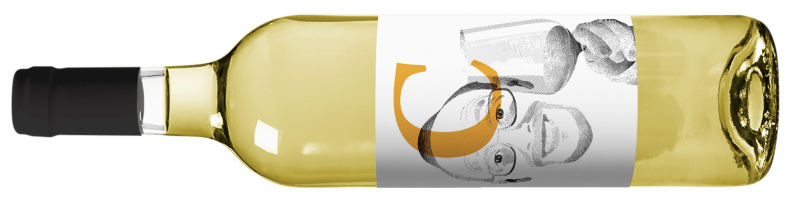
Cimbora Cuvée
A playful name with a serious, individual style.
Details →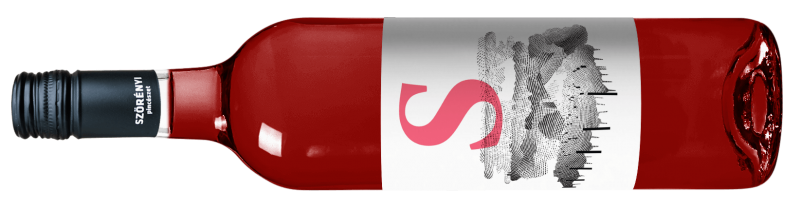
Siller
A characterful style between rosé and red wine.
Details →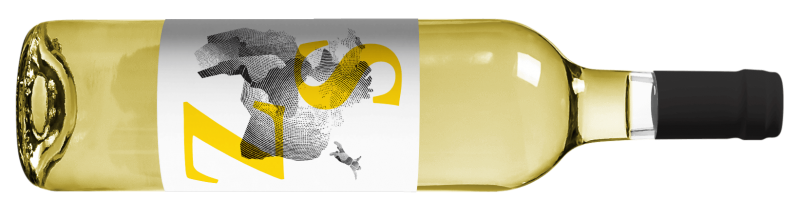
Szürkebarát
Rich, harmonious and approachable Balaton white wine.
Details →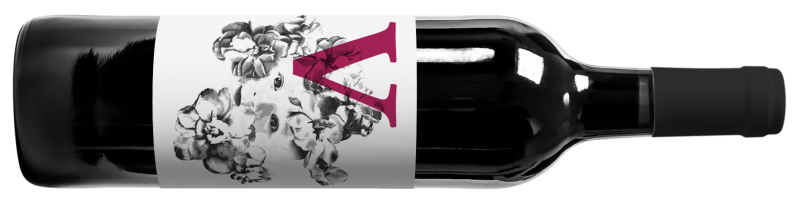
Viola Cuvée
A deeper-toned red cuvée with a longer finish.
Details →