
When people think of Lake Balaton, beaches, lángos and the energy of summer often come to mind first. Yet anyone drawn to gastronomy and landscape soon discovers that some of the region’s most memorable places lie a few kilometres inland, among hills, valleys and vineyards. Visiting a winery in the Balaton Uplands is not simply another holiday activity; it is a journey through place, history and flavour.
A Balaton Uplands wine tasting brings together sweeping views, mineral, terroir-driven wines and a sense of calm that is difficult to reproduce elsewhere. But what exactly does the Balaton Uplands mean? Which grape varieties, soils and wine styles can you encounter here? And why is it worth seeking out the terrace of an authentic family winery? This guide provides an introduction to the landscape, wine regions and tasting experiences that define this part of Lake Balaton.
The geological and wine-cultural character of the Balaton Uplands
The hinterland of Lake Balaton’s northern shore is remarkably diverse from a geological point of view. Volcanic activity shaped parts of the landscape millions of years ago, sediments from the ancient Pannonian Sea accumulated, and older rock formations reached the surface. This diversity is one reason the wines of the region can show such different personalities from one area to another.
The three pillars of terroir
When we taste a glass of wine, three broad factors help shape its aroma, structure and flavour:
- Soil: Volcanic basalt around Badacsony and Szent György-hegy can contribute to distinctive growing conditions and powerful styles. Permian red sandstone around Balatonalmádi, Felsőörs and Csopak is strongly associated with elegant, rounded, mineral expressions. Limestone and marl also occur in parts of the wider northern-shore landscape and contribute to the diversity of vineyard sites.
- Microclimate: The large body of Lake Balaton moderates temperatures around the surrounding hills. The lake’s surface also reflects light, while local air movement helps shape conditions in the vineyards throughout the growing season.
- People: Soil and climate alone do not make wine. Generations of local knowledge, decisions about crop levels and the way growers work with nature determine how clearly a vineyard can express its character in the bottle.
The wine regions: Where should you taste what?
In everyday conversation, people often speak about the northern shore as one large wine area. In official and viticultural terms, however, several distinct wine regions share the wider landscape, each with its own history and style.
1. The Balaton-felvidék Wine District
The official Balaton-felvidék wine area includes the Káli Basin, parts of the Tapolca Basin’s surrounding landscape and hills around Cserszegtomaj. Its soils are highly varied, with basaltic tuff, Pannonian sediments, sand and dolomite appearing in different locations.
- What to taste: Olaszrizling from the Káli Basin can be taut and elegant. Pinot Gris and Chardonnay are also important, and some estates experiment with fuller white wines fermented or matured in barrel.
2. Badacsony Wine District – where fire meets water
Badacsony, Szent György-hegy and Csobánc are strongly defined by their volcanic landscape. Somló is a separate wine region and is therefore not part of the Balaton-felvidék wine district. The basalt-rich sites of Badacsony are closely associated with distinctive mineral, stony and sometimes saline impressions in the wines.
- What to taste: Kéknyelű, the iconic local grape of Badacsony, fuller styles of Olaszrizling, Juhfark and rich Pinot Gris are among the varieties and styles worth exploring.
3. Balatonfüred–Csopak Wine District – elegance and red sandstone
The Balatonfüred–Csopak wine region stretches across a broad section of the northern shore and includes the wider surroundings of Balatonalmádi and Felsőörs. Lake Balaton’s moderating influence and the orientation of the hills help create favourable vineyard conditions. Red sandstone is one of the characteristic geological elements around Csopak, Balatonalmádi and Felsőörs.
- What to taste: Olaszrizling is central to the identity of Csopak, while Tihany is known for red varieties such as Kékfrankos and Cabernet Franc. Around Felsőörs, mineral white wines offer another expression of the region’s landscape.
Which wine styles can you expect in the Balaton Uplands?
A visit to a quality winery in the Balaton Uplands can reveal a surprisingly broad range of styles. These are some of the categories worth looking for when you taste your way through the region.
The white-wine classic: The many faces of Olaszrizling
Olaszrizling should not be reduced to a simple summer spritzer wine. A light, reductively made version can certainly be fresh and refreshing, but the grape can also produce serious single-vineyard and barrel-aged wines with greater depth and ageing potential.
- Tasting profile: Green apple, citrus, floral notes and the variety’s characteristic almond-like finish are often associated with Olaszrizling. More ambitious versions can become creamy, structured and capable of developing for years.
Fragrant and aromatic varieties
Visitors who prefer lighter, aromatic wines may encounter varieties such as Irsai Olivér, Cserszegi Fűszeres and Sárgamuskotály. In modern winery styles, these grapes can give crisp, perfumed, lively wines that work well as an aperitif or alongside lighter food.
The revival of rosé and siller
Rosé has become part of the modern Lake Balaton summer. While some examples are very light and strawberry-driven, northern-shore rosés made from grapes such as Kékfrankos or Pinot Noir can also show a firmer, more elegant profile.
Siller sits between rosé and red wine. The juice remains in contact with the grape skins longer than for rosé but usually for less time than a conventional red wine. The result can be a spicier, more substantial wine that still works well slightly chilled and can pair naturally with paprika-rich Hungarian dishes.
Red wines on the northern shore? Absolutely.
Although the wider region is best known for white wine, excellent reds can also be found on red-sandstone sites around Felsőörs and Balatonalmádi and in the vineyards of Tihany. Rather than the most massive, jammy style, many Lake Balaton reds emphasise fruit, freshness and lively acidity. Kékfrankos, Pinot Noir and Syrah can all produce elegant wines with fine tannins that work even on a summer evening.
Felsőörs and Szörényi Winery: A quiet corner of the Balaton landscape
When searching for a wine tasting in the Balaton Uplands, many visitors first think of major centres such as Badacsony or Csopak, which can be extremely busy in high season. Those looking for intimacy, professional attention and a more direct connection to terroir may prefer to explore smaller places such as Felsőörs.
Felsőörs lies within the Balatonfüred–Csopak wine region above Balatonalmádi. Here, the shape of the hills, red sandstone and air moving from the lake come together in a distinctive local setting.
Why choose Szörényi Winery?
A family-scale, locally rooted winery such as Szörényi Winery follows a different rhythm from a large tourism operation.
- Personal connection: Guests are not treated as anonymous numbers. The wines can be introduced by people directly involved with them, allowing visitors to hear stories about the vineyards and vintage first-hand.
- The character of Permian red sandstone: The winery’s setting offers a direct way to understand how local geology and vineyard sites form part of the story behind the wines.
- Quiet and landscape: Away from the busiest lakeside areas, a walk among the vines in Felsőörs creates space to slow down and focus on the wine and the place.
More than wine: Programmes and gastronomy
A modern winery visit in the Balaton Uplands can be a complete gastronomic experience. Wine becomes more meaningful when it is connected to the vineyard, the cellar, local food and the atmosphere of the estate.
- Estate visit and vineyard walk: Walk between the rows and see how pruning, canopy work or harvest shapes the year in the vineyard. Where the programme allows, tasting a wine connected to the site makes the experience more tangible.
- Cellar visit: Wineries often take pride in their production spaces, whether that means modern stainless-steel fermentation tanks or traditional cellars with oak barrels. A guided visit helps explain how winemaking choices influence the final wine.
- Wine dinners and local producers: Quality tastings increasingly focus on regional food – artisan cheeses, Mangalica products, homemade spreads and crisp sourdough bread. The farm-to-table idea fits naturally with wine tourism based on local identity.
Practical guide: How to plan a wine tour
If you want to explore the Balaton Uplands in depth, a few simple decisions can make the day much more enjoyable:
- Book early: Small family wineries have limited capacity by nature. Summer and early-autumn weekends can fill up quickly, so booking ahead gives both the visitor and the winery time to prepare.
- Do not over-plan: Two wineries in a day – perhaps three at most – is usually enough for a relaxed visit. Wine, conversation and travel all take time, and rushing removes much of the value of the experience.
- Plan transport: The hills of the Balaton Uplands are beautiful but winding. If nobody is taking the role of a sober designated driver, a pre-booked taxi or transfer is the right option. Cycling and e-bikes should only be part of the wine-day plan for riders who are not consuming alcohol.
- Stay open to local varieties: Even if you normally prefer powerful red wines, a visit to Lake Balaton is a good opportunity to try regional styles. Olaszrizling and other local or locally established varieties may completely change your view of Hungarian white wine.
Conclusion
The Balaton Uplands are more than a geographical region. Landscape, people and wine combine here to create a particular way of experiencing Lake Balaton. Visiting an authentic winery offers a chance to move away from the pace of everyday life and understand the region through its vineyards and bottles.
From the hills of the Káli Basin and the volcanic landscape of Badacsony to the peaceful red-sandstone vineyards of Felsőörs and Szörényi Winery, the northern shore offers remarkable diversity. For anyone looking for a memorable gastronomic experience and time to slow down, a Balaton Uplands wine tasting is an excellent way to begin.
Taste the stories in the glass as well
Behind the articles stands the same Felsőörs terroir, family work and Balaton character. Discover the wines of Szörényi Winery or request a personal offer for a tasting, programme or event.
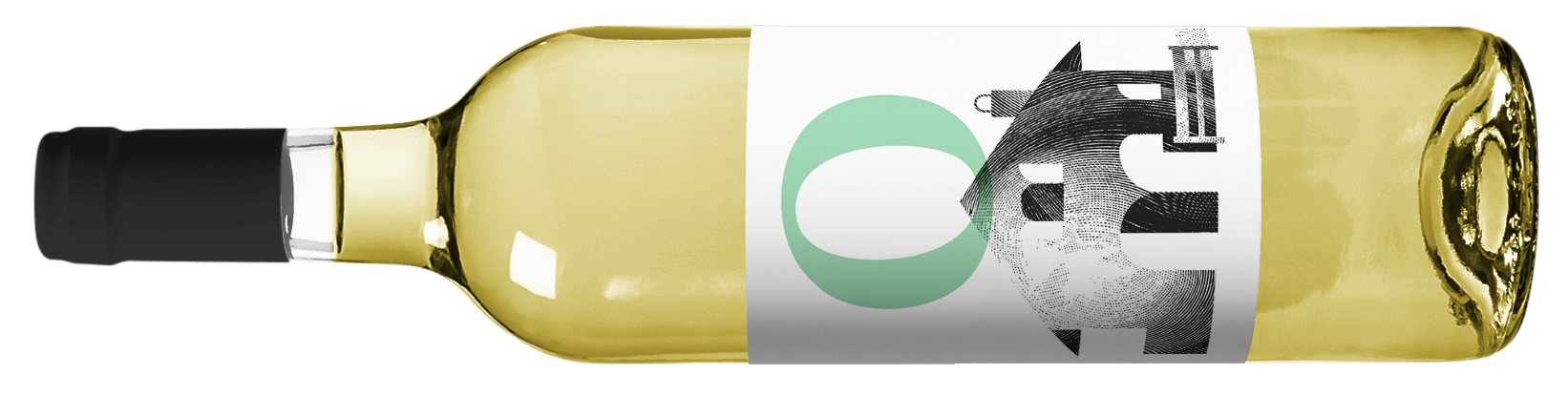
Olaszrizling
A classic of the region with a clear Balaton character.
Details →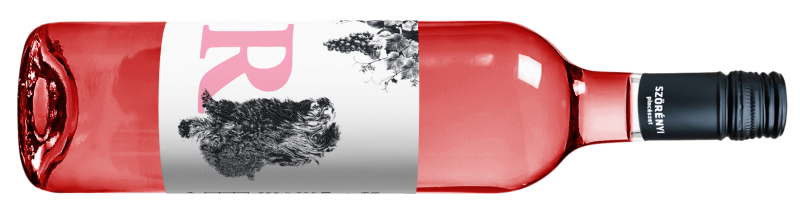
Rosé
Fresh, fruity and generous Balaton rosé.
Details →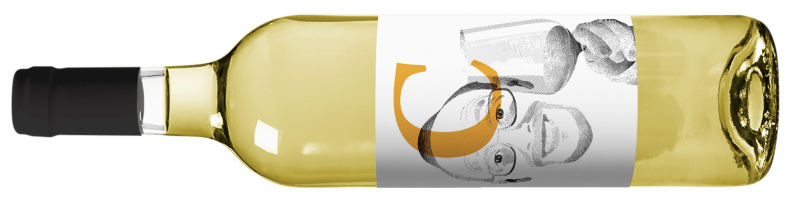
Cimbora Cuvée
A playful name with a serious, individual style.
Details →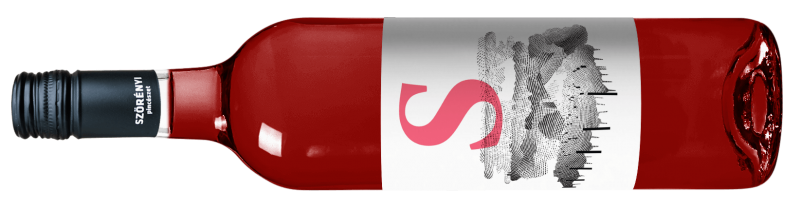
Siller
A characterful style between rosé and red wine.
Details →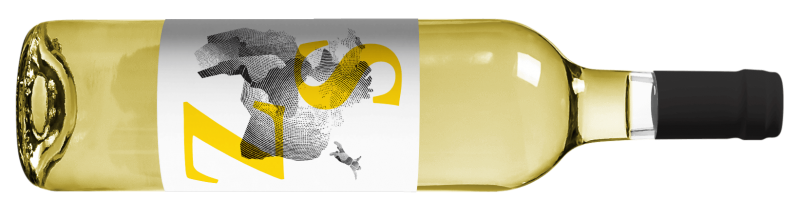
Szürkebarát
Rich, harmonious and approachable Balaton white wine.
Details →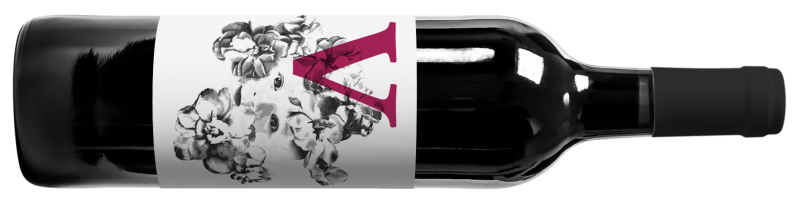
Viola Cuvée
A deeper-toned red cuvée with a longer finish.
Details →