
If you picture the perfect wine tasting at Lake Balaton, you probably imagine the glow of the setting sun, cellars tucked between the vines and a glass of crisp, mineral Olaszrizling. On the northern shore of Lake Balaton, wine tasting is more than a simple weekend activity: it is an invitation to slow down where nature, gastronomy and local wine culture meet.
To return home with the best possible memories, however, it pays to plan consciously. How do you choose from the many wineries and lesser-known tasting spots around Lake Balaton? Which format works for a romantic weekend, and which one suits a lively bachelor party? This guide walks you through the main questions before you book.
Why is the northern shore of Lake Balaton special for wine?
Before looking at the different programmes, it helps to understand what makes the wines of the northern shore distinctive. The wider area – including the Balaton Uplands, Csopak and its surroundings – has exceptional geological diversity. Volcanic rock, red sandstone, limestone and marl all occur in the region and help shape the local growing conditions.
This relationship between place and wine is part of what we call terroir. In a glass of local wine, salty and mineral impressions can reflect the character of the site. The lake also influences the vineyards through reflected sunlight and constantly moving air, contributing to the local microclimate.
When is the best time for a wine tasting?
Many visitors automatically choose the summer high season, but the northern shore has a different character in every season.
- Spring – awakening and young wines: From late March, the vineyards begin to turn green again. Fresh, fruit-driven wines from the previous vintage are often at their most appealing, and winery terraces are still quieter and more intimate. It can be an excellent time for a longer conversation with the winemaker.
- Summer – the classic season: Long, warm evenings, sunset tastings and lively terraces define the season. This is also the busiest period for wine tourism around Lake Balaton, so booking well in advance is strongly recommended.
- Autumn – harvest and must: For many wine lovers, this is the most authentic time of year. The leaves turn yellow and red, the scent of grapes and must fills the hillsides, and visitors can experience the first stages of winemaking at close range.
- Winter – the quiet side of the wine region: Although many people assume the region goes to sleep in winter, wineries that remain open can be especially intimate. A fuller barrel-aged white wine or a spicy siller beside a warm fire, with dormant vineyards outside, can be a memorable experience.
Which type of tasting should you choose?
Wine tasting around Lake Balaton can take many forms. The best choice depends on who you are travelling with, how much time you have and how deeply you want to explore the wines.
1. Classic counter or terrace tasting
This is the most informal format. It works well if you stop at a winery during a cycling trip or excursion and simply want an overview of the current range. A typical tasting may include three to five wines enjoyed at a relaxed pace on the terrace.
2. Guided cellar visit and tasting
In a guided programme, the winemaker or an experienced sommelier leads the visit. Guests can learn about the production area, barrel ageing and the cellar itself, as well as the history of the wine region and the character of individual vintages. A programme of around 1.5 to 2 hours can already feel like a compact masterclass.
3. Vineyard tour and walk
This is one of the most complete educational formats: walking among the vines and tasting a wine close to the place where its grapes were grown. Standing in the vineyard, seeing the slope and touching the soil makes the idea of terroir far easier to understand.
Prices and formats: What should you expect?
When planning a wine tasting on the northern shore, it is useful to understand what generally influences the price. Costs can vary widely depending on the number of wines, the level of the tasting selection and the food served alongside them.
- Introductory tastings – 3 to 5 wines: A good choice for lighter, fresh, reductive styles such as Olaszrizling and rosé. It is usually the most accessible way to discover a winery’s current range.
- Premium and single-vineyard tastings – 6 to 8 wines: These programmes can include fuller barrel-aged whites, more unusual spontaneously fermented wines and top selections from the estate.
- Food accompaniment: At quality wineries, the tasting can be supported by carefully selected local food rather than simple packaged snacks. Artisan cheeses, Mangalica cold cuts, homemade spreads and sourdough bread are typical examples of the kind of regional flavours that can accompany the wines.
Who are you travelling with? Choosing by group type
The range of wine experiences around Lake Balaton is broad enough for programmes to be tailored to the size and mood of the group.
Wine tasting for couples
For two people, the focus is usually on intimacy, unhurried conversation and the setting. A quiet terrace with a view of the lake in the evening light can be hard to beat. Slower, guided tastings work particularly well when there is no need to rush.
Groups of friends, bachelor and bachelorette parties
For a larger group, flexibility and a relaxed atmosphere matter most. Some wineries can provide a separate room or a more secluded outdoor area. It is worth discussing this in advance so the group can celebrate freely without disturbing guests who may be looking for a quieter experience. A substantial food offering can also be especially important for this kind of programme.
Corporate team-building events
A corporate wine tasting at Lake Balaton can work well after a meeting, workshop or training day. A wine dinner or an interactive tasting with a wine quiz can give colleagues a shared experience outside the office. Some venues can also provide technical facilities such as a projector or Wi-Fi when arranged in advance, so the exact requirements should always be confirmed with the chosen winery.
Practical guide: How to taste wine
If you are just beginning to explore wine, three simple steps can help you get more from the experience:
- Look: Hold the glass towards the light and observe the clarity and colour. A young wine is often paler, sometimes with greenish or lemon tones, while an older barrel-aged wine may show a deeper golden shade.
- Smell: Swirl the glass gently to release aromas, then smell the wine. You may find fresh fruit such as green apple, citrus or peach, floral notes, or aromas associated with oak ageing such as vanilla, butter or toasted nuts.
- Taste: Take a sip and let the wine move across your palate. Notice the acidity, body and how long the flavours remain after swallowing – the wine’s finish.
Transport and transfers: Plan the logistics
Transport is a central part of any wine-region visit. Drinking and driving do not belong together, so both arrival and the journey back should be planned before the tasting.
- Designated driver: Wineries can often offer non-alcoholic alternatives such as grape must, homemade syrups or coffee, allowing the driver to remain part of the wider gastronomic experience.
- Taxis and transfers: Local taxi or transfer services can be practical on the northern shore, and for groups a pre-booked minibus can be a convenient option.
- Bicycle and e-bike: Cycling is popular in the Balaton Uplands and an e-bike makes the hills easier. For a wine-tasting visit, however, cycling is appropriate only if the rider does not drink alcohol. Otherwise, a taxi or organised transfer is the safer choice.
Felsőörs and Szörényi Winery: A quieter discovery
When people search for wine tasting on the northern shore of Lake Balaton, famous and busy centres such as Badacsony or Csopak often come to mind first. Yet some of the most personal experiences can be found a few kilometres away from the main tourist routes, on quieter hillsides.
Felsőörs is one of those places. Situated between Veszprém and Balatonalmádi, the village has striking geological features without the pressure of mass tourism. Red sandstone is an important part of the local landscape and contributes to the distinctive character of the area’s vineyard sites.
Why visit Szörényi Winery?
In Felsőörs, the rhythm is not set by a constant stream of large tour groups. At Szörényi Winery, the experience is intended to connect the wine with the story of the family, the vineyards, the work behind the grapes and the estate’s close-to-nature approach.
The tasting can become a personal, slower programme: time outdoors among the vines, direct guidance from the people behind the wines, and a chance to understand what makes the local place distinctive. It is an opportunity to step away from the busy lakeside atmosphere and focus on wine, food, landscape and conversation.
Conclusion
A quality wine tasting at Lake Balaton is about far more than simply drinking wine. It can be a gastronomic, cultural and personal encounter framed by the hills of the northern shore and the light over the lake.
Whether you are planning a summer evening with friends, a corporate team-building event or a romantic getaway, the northern shore offers many different formats. Felsőörs and Szörényi Winery add a quieter, more personal option to that map. Plan the journey, book the time that suits you and give yourself enough space to enjoy the region at a slower pace.
Taste the stories in the glass as well
Behind the articles stands the same Felsőörs terroir, family work and Balaton character. Discover the wines of Szörényi Winery or request a personal offer for a tasting, programme or event.
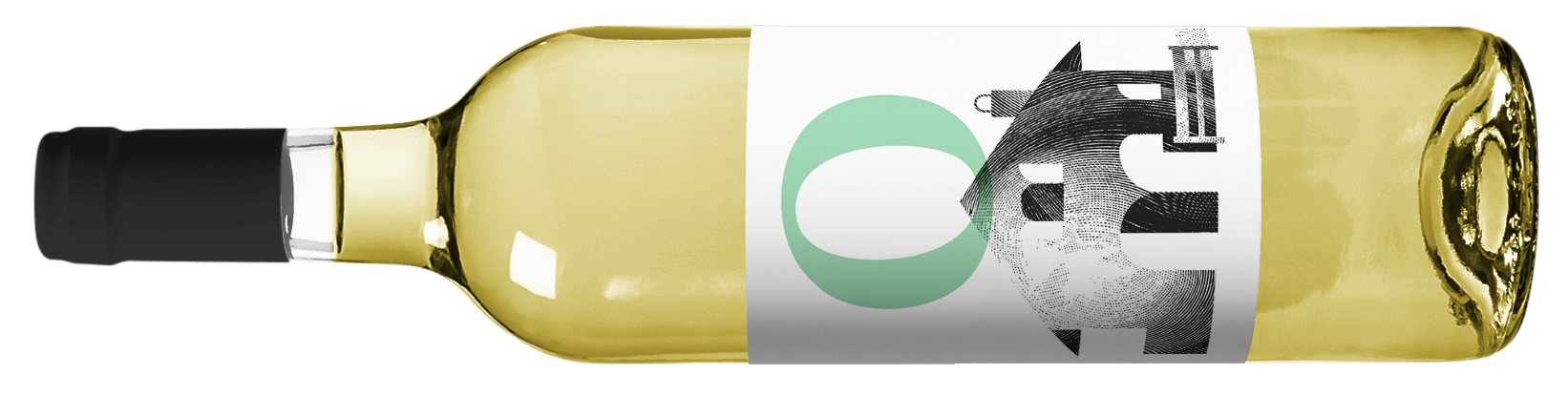
Olaszrizling
A classic of the region with a clear Balaton character.
Details →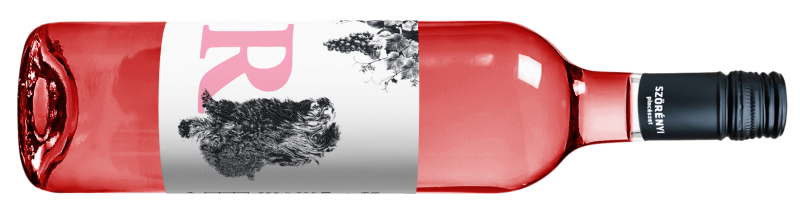
Rosé
Fresh, fruity and generous Balaton rosé.
Details →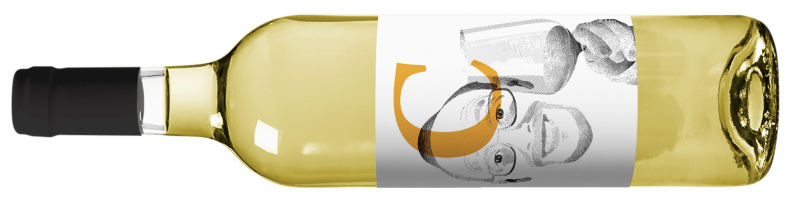
Cimbora Cuvée
A playful name with a serious, individual style.
Details →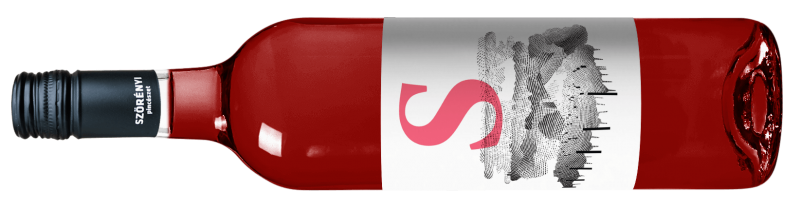
Siller
A characterful style between rosé and red wine.
Details →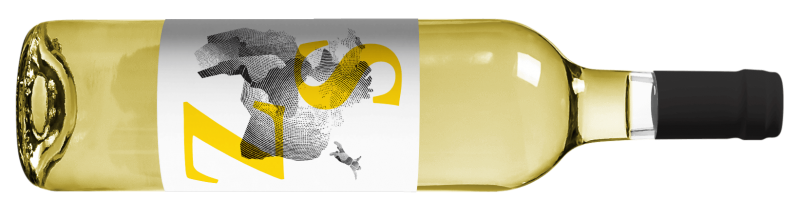
Szürkebarát
Rich, harmonious and approachable Balaton white wine.
Details →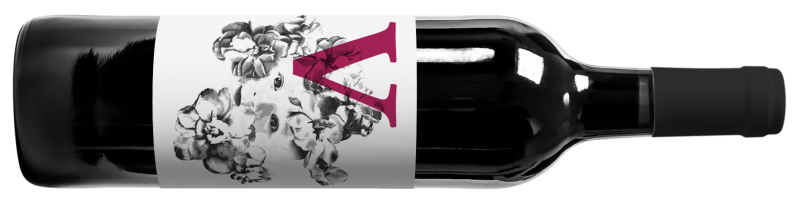
Viola Cuvée
A deeper-toned red cuvée with a longer finish.
Details →