
When Lake Balaton and local gastronomy come up in conversation, many people immediately picture a welcoming terrace, the light of the setting sun and a cool glass of fresh wine. Modern wine tourism, however, can offer something much deeper. A well-designed wine experience at Lake Balaton is no longer simply about standing at a counter and quickly tasting three or four wines.
Today, wineries can invite guests on a more complete sensory journey. A walk between the vines, a cellar tour that opens the door to winemaking techniques, or a private tasting paired with regional food can all turn a visit into a memorable experience. This guide looks at the main possibilities so you can choose the kind of wine programme that best fits your next trip to the northern shore of Lake Balaton.
What is a complete wine experience, and what makes it different?
A conventional tasting can sometimes feel like one-way communication: the guest sits down, the wine is served, the name, vintage and grape variety are mentioned, and then the table is left alone. A modern winery experience is more interactive. It is about conversation, storytelling and understanding the place behind the wine.
The winemaker or host does more than pour drinks. Guests can learn where the growing season begins, what challenges arise in the vineyards and what principles guide the important decisions in the cellar. A good programme helps connect soil, climate, grape variety and the final wine in the glass.
Where it begins: A cellar visit on the northern shore of Lake Balaton
The cellar is at the heart of a serious wine experience. Walking into a working winery can feel like stepping behind the scenes. The smell of fermenting must, the aroma of oak and the cool cellar air immediately create a different atmosphere from a standard hospitality venue.
What can a winery cellar visit include?
A classic cellar visit around Lake Balaton often starts in the production area.
- The fermentation area: Here you may see large stainless-steel tanks and learn why temperature control and protection from excessive oxygen are important for fresh, crisp, fruit-driven wines such as Irsai Olivér, rosé or lighter styles of Olaszrizling.
- The barrel cellar: Rows of oak barrels are often the most atmospheric part of a winery. A guided visit can explain the differences between Hungarian, French and American oak, how barrel toasting influences flavour and how slow oxygen exchange through wood affects fuller white and red wines.
- Barrel sampling: Where the winery offers it, tasting a developing wine directly from the barrel before bottling can be one of the most exciting parts of the visit. It gives guests a rare opportunity to experience a wine while it is still evolving.
Vineyard tour and walk: Following the trail of terroir
There is a saying that wine is born in the vineyard, and a walk among the vines is one of the best ways to understand what that means. This is particularly relevant in the Balaton Uplands and around Csopak, where the geology changes dramatically over relatively short distances.
Imagine walking between the rows with a glass of fresh Olaszrizling while the winemaker shows you the soil. Around Felsőörs and Balatonalmádi, one of the characteristic rocks is Permian red sandstone. Seeing and touching the ground while tasting a wine from the area makes the idea of terroir much easier to understand.
A vineyard walk can also cover pruning, canopy management, green work and the many manual tasks that happen before the autumn harvest. This kind of active wine experience is ideal for visitors who want to spend time outdoors while also learning more about wine and local gastronomy.
Golden light: Sunset wine tasting
Few things draw people to Lake Balaton as powerfully as the sunset. Winery terraces on the hills above the water can offer especially beautiful views as the light changes across the lake.
A sunset tasting is designed around slowing down. As the heat of the day fades and the colours of the lake shift from gold to orange and violet, the wine selection can change with the evening. A tasting may begin with lighter, sparkling or gently effervescent wines and move towards fuller whites and spicier reds as the air cools. The purpose is not to rush, but to enjoy the moment – a good example of the “slow tourism” approach.
Couples and romantic programmes among the vines
The Balaton Uplands are a popular destination for couples celebrating an anniversary or simply spending a weekend together. For them, a large bus-group tasting can easily feel impersonal.
Smaller family wineries can offer more intimate formats. This may be a secluded table with a view and a guided tasting for two, or even a vineyard-picnic concept where available. In such a format, a chilled bottle of wine, proper glasses, local food such as cheese, fruit, ham and sourdough bakery products, and a quiet place among the vines can turn a simple tasting into a much more personal afternoon.
Private tastings: Tailored experiences for groups of friends
A weekend away with friends has a different rhythm from a visit for two. Laughter, celebration and shared memories are at the centre of the programme, which makes a private wine tasting a natural choice.
The main advantage of a private tasting is flexibility. The programme does not have to follow a rigid timetable. If the group is curious about winemaking technology, more time can be spent in the cellar. If food and conversation are the priority, the tasting can become a longer, more relaxed gastronomic programme.
A private setting also helps guests feel comfortable asking questions – including the simple questions they might hesitate to ask in a larger public group.
A gastronomic journey: When food and wine work together
Wine does not exist in isolation from food. A high-quality wine experience around Lake Balaton becomes richer when the accompanying bites are treated with the same care as the wines. The farm-to-table idea has become increasingly important in regional wine tourism.
- Premium wine snacks: Instead of industrial cheese and packaged snacks, a good tasting may include artisan cheeses, mature ham, regional sausages, fresh homemade spreads and crisp sourdough bread from small producers.
- Food and wine pairing: A guided tasting can show how the same wine changes with food. A mature salty cheese can bring out different aspects of a barrel-aged Olaszrizling, while a richer slice of Mangalica ham can soften the perception of Kékfrankos acidity. The relationship between plate and glass opens another dimension of the tasting.
Felsőörs and Szörényi Winery: Where the programme becomes personal
If you are looking for a location that combines wine, landscape and a more personal atmosphere away from mass tourism, Felsőörs and Szörényi Winery offer exactly that kind of setting.
Felsőörs is a picturesque village between Veszprém and Lake Balaton, built on a landscape strongly associated with Permian red sandstone. The philosophy of Szörényi Winery is centred on family hospitality, respect for terroir and personal attention to guests – the same elements that can turn a simple tasting into a memorable wine experience.
What kind of experience can a visit to Szörényi Winery offer?
A visit here is intended to feel less like moving through a tourist attraction and more like being welcomed as a guest of the estate.
- Personal guidance: Tastings and estate visits can be led by the owners or people closely involved with the vineyard and wines, so the stories come directly from those who know the work behind the bottles.
- Discovering the red sandstone: A walk through the vineyards can help explain how the local landscape influences grape growing and how the winery approaches the character of its wines.
- Intimate atmosphere: Whether the visit is a romantic tasting for two or a private gathering of friends, the focus is on wine, flavour, landscape and human connection rather than crowds.
Conclusion: Plan the experience, not just the tasting
The northern shore of Lake Balaton is full of places where wine becomes a gateway to landscape, culture and gastronomy. A well-planned wine programme is not simply about consuming several glasses; it can be educational, cultural and deeply connected to the region.
Whether you choose a detailed cellar visit, a walk through volcanic or sandstone vineyards, or a private sunset tasting in Felsőörs at Szörényi Winery, the best experiences change the way you see Balaton wine culture. On your next visit, consider booking not just a table, but a complete wine experience.
Taste the stories in the glass as well
Behind the articles stands the same Felsőörs terroir, family work and Balaton character. Discover the wines of Szörényi Winery or request a personal offer for a tasting, programme or event.
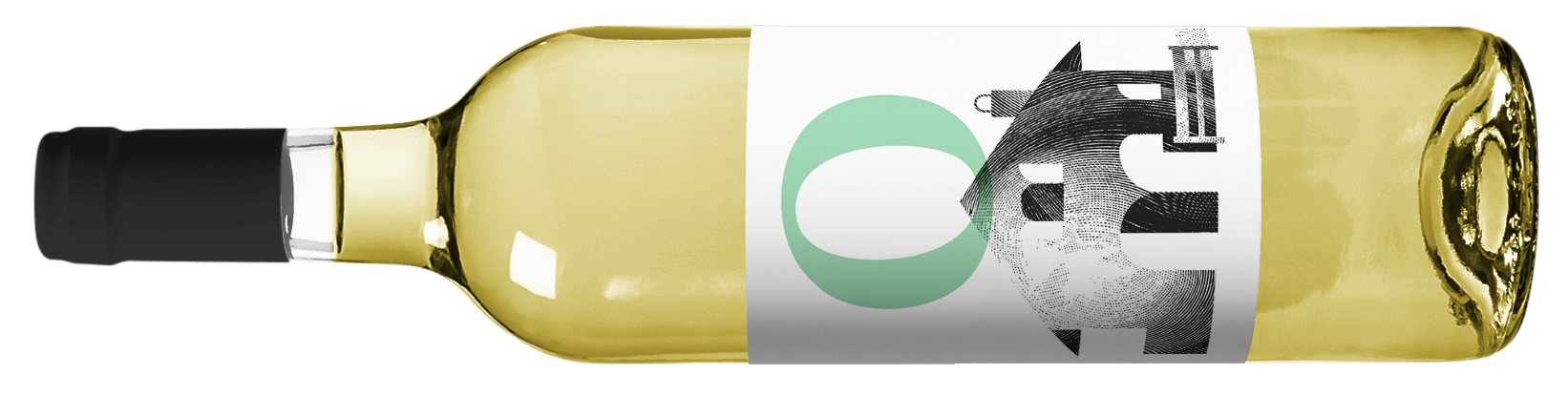
Olaszrizling
A classic of the region with a clear Balaton character.
Details →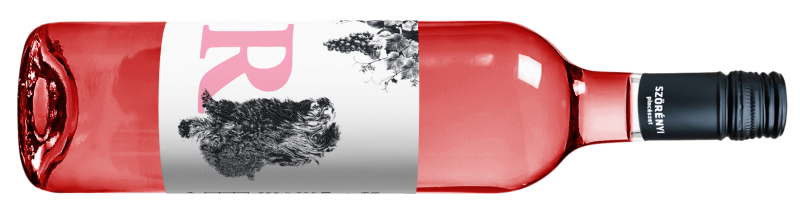
Rosé
Fresh, fruity and generous Balaton rosé.
Details →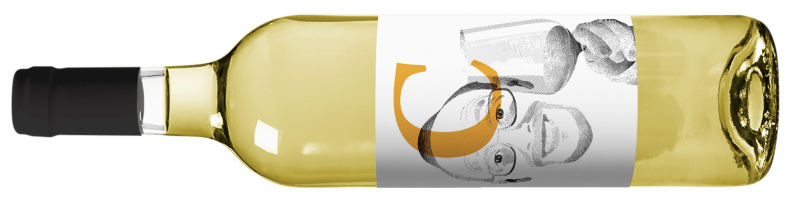
Cimbora Cuvée
A playful name with a serious, individual style.
Details →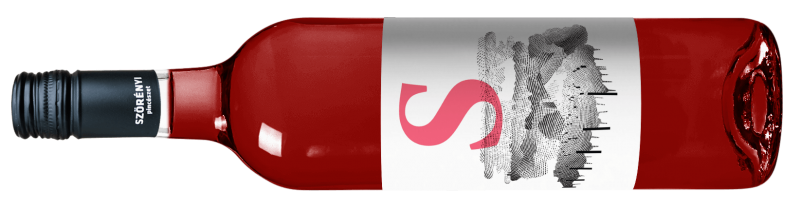
Siller
A characterful style between rosé and red wine.
Details →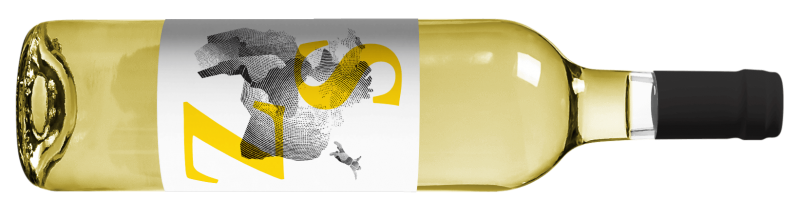
Szürkebarát
Rich, harmonious and approachable Balaton white wine.
Details →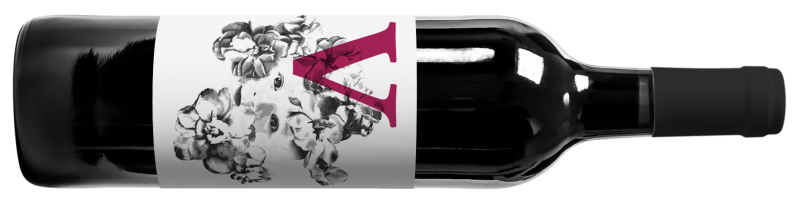
Viola Cuvée
A deeper-toned red cuvée with a longer finish.
Details →